2026-11-19 15:05:21
Purchasing a cotton picker is a major investment, but the purchase price is only one part of the total cost. Once the machine starts working in the field, farm operators also need to consider fuel, labor, maintenance, repairs, replacement parts, and equipment depreciation.
These expenses directly affect the cost of harvesting each acre of cotton. For large-scale farms, agricultural contractors, and equipment buyers, understanding cotton picker operating costs is essential for planning harvesting budgets and evaluating long-term equipment value.
Here are the main costs to consider.
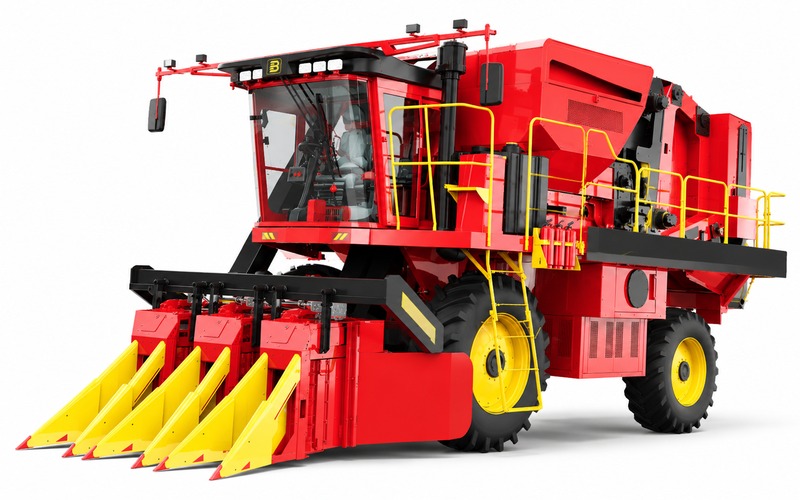
Fuel is one of the most direct operating expenses of a self-propelled cotton picker.
Actual fuel consumption depends on several factors:
Engine power and machine configuration
Number of picking rows
Ground speed and operating hours
Cotton yield and plant conditions
Field terrain and soil conditions
Idle time and operating habits
A machine working in dense cotton or difficult field conditions may require more power than one operating in a level field with favorable crop conditions.
Farm operators can estimate fuel cost per acre using this formula:
Fuel Cost per Acre = Fuel Consumption per Hour × Fuel Price per Unit ÷ Acres Harvested per Hour
To calculate this figure, use actual fuel records, local diesel prices, and the machine's average harvesting capacity.
Tracking fuel consumption throughout the harvest season can also help identify changes in machine performance and operating efficiency.
Labor is another important part of cotton harvesting expenses.
A self-propelled cotton picker requires a trained operator who can manage machine settings, monitor harvesting performance, and respond to operating problems.
Labor costs may include:
Operator wages
Overtime during peak harvest periods
Training expenses
Additional field support
Travel or accommodation costs, where applicable
Labor cost per acre depends on operator wages and the amount of land the machine can harvest.
Labor Cost per Acre = Total Operator Labor Cost ÷ Acres Harvested
The harvesting system also affects labor requirements.
A basket cotton picker may require additional coordination for unloading and cotton transportation. A baler cotton picker forms and wraps cotton modules during harvesting, which can simplify certain cotton-handling operations.
Farm operators should evaluate labor requirements together with their field layout, unloading arrangements, and transportation plans. You can compare Boshiran's basket cotton picker models and baler cotton picker models to understand the different harvesting configurations.
Cotton pickers operate under demanding field conditions. Dust, plant residue, vibration, and long working hours can cause components to wear over time.
Routine maintenance and unexpected repairs should both be included in the operating budget.
Common maintenance expenses include:
Engine oil and filter replacement
Hydraulic oil and filter maintenance
Lubrication
Cleaning and inspection
Belt and chain adjustments
Bearing inspection and replacement
Hydraulic hose and seal replacement
For spindle-type cotton pickers, components such as spindles, spindle bushings, doffers, and moistener pads require particular attention because their condition affects picking performance.
Regular inspections help identify wear before it causes more serious damage or unexpected downtime.
For a more detailed overview of components and their functions, read our guide to cotton picker spare parts.
Maintenance requirements vary by machine design, operating hours, field conditions, and manufacturer recommendations. Operators should follow the maintenance schedule provided for their specific model.
Replacement parts are closely related to maintenance, but they should also be tracked separately when preparing a harvesting budget.
Some components need periodic replacement because of normal wear, while others may need to be replaced after unexpected damage.
Common items include:
Spindles and doffers
Moistener pads
Bearings and bushings
Belts and chains
Filters
Hydraulic hoses and seals
Other model-specific components
Replacement frequency depends on annual operating hours, crop conditions, soil and dust levels, machine settings, and maintenance quality.
Parts availability also affects the total cost of ownership. If a critical component is difficult to obtain during harvest, the farm may face longer downtime and additional procurement expenses.
When comparing cotton picker models, buyers should consider not only the price of individual parts but also their availability, compatibility, replacement frequency, and supplier support.
Before the harvest season, operators can follow a preseason cotton picker maintenance checklist to inspect key systems and identify parts that may need attention.
Depreciation is an important cost that is often overlooked when calculating the cost of operating a cotton picker.
A machine loses value over time because of age, operating hours, wear, and changes in market demand.
Other ownership expenses may include:
Financing interest
Insurance
Taxes
Storage and housing
Annual registration or other local charges
These costs are different from direct operating expenses such as fuel and repairs, but they still affect the total cost of using the machine.
A simple depreciation estimate is:
Annual Depreciation = (Purchase Price ? Estimated Resale Value) ÷ Expected Service Life
Farm operators can use their actual purchase price, estimated resale value, and expected service life to calculate depreciation.
This is an estimate rather than a guaranteed resale or depreciation figure. Actual equipment value depends on machine condition, utilization, maintenance history, and the second-hand market.
When evaluating the initial investment alongside long-term ownership costs, buyers can also review the factors that affect cotton picker prices.
A cotton picker that is unavailable during the harvest season can create costs beyond the repair bill itself.
When a machine stops working, the farm may experience:
Delayed harvesting
Additional labor expenses
Greater pressure to finish harvesting within a limited weather window
Costs for temporary replacement equipment
Disruption to cotton transportation and storage schedules
The financial impact of downtime depends on farm size, crop conditions, available harvesting days, and the availability of backup equipment.
This is why machine reliability and after-sales support should be considered when comparing equipment.
A machine with a lower purchase price may not necessarily be the more economical option if it requires frequent repairs or has limited access to spare parts.
To understand the overall cost of harvesting, farm operators should combine direct operating expenses with annual ownership costs.
A practical calculation is:
Total Cost per Acre = Direct Operating Cost per Acre + Ownership Cost per Acre
Direct operating costs generally include:
Fuel and lubrication
Operator labor
Repairs and maintenance
Replacement parts and consumables
Ownership costs may include:
Depreciation
Financing interest
Insurance
Taxes
Storage and housing
To calculate the cost per acre, divide the relevant annual or seasonal expenses by the actual acreage harvested during the same period.
Operating Cost per Acre = Total Operating Expenses ÷ Total Acres Harvested
For a more complete estimate, add the allocated ownership costs to the direct operating expenses.
It is important to use consistent accounting periods. If annual ownership costs are included, they should be allocated according to the machine's actual annual utilization rather than mixed with expenses from a different period.
Actual costs vary according to machine configuration, local fuel and labor prices, annual utilization, field conditions, and maintenance practices. Farm operators should use their own operating records rather than rely on a general cost figure.
Reducing operating costs does not simply mean choosing the machine with the lowest purchase price or using less fuel.
The goal is to reduce unnecessary expenses while maintaining reliable harvesting performance.
Select a machine that matches the farm's acreage, row spacing, field layout, and harvesting schedule.
An oversized machine may increase investment and ownership costs if it is not used enough each season. A machine with insufficient capacity may require more operating hours or additional equipment to finish harvesting on time.
Boshiran offers different cotton picker configurations for different harvesting requirements. Buyers should compare machine type, row configuration, field conditions, and cotton-handling needs before making a decision.
Inspect important components before and during the harvest season.
Pay particular attention to picking units, spindles, doffers, hydraulic systems, filters, belts, and bearings.
Replacing worn components at the right time can help prevent more serious failures and reduce unexpected downtime.
For additional guidance, see our article on improving cotton harvesting efficiency.
Suitable ground speed, proper machine settings, and good field planning can help reduce unnecessary fuel consumption and improve daily output.
Avoid excessive idle time and organize unloading, transportation, and field access in advance.
Keep frequently used maintenance parts available before the harvest season.
Reliable technical support and access to compatible replacement parts can help reduce repair delays when the machine is needed most.
Learn more about Boshiran's service and after-sales support.
For equipment buyers, comparing operating costs is just as important as comparing purchase prices.
Before making a decision, consider:
Expected annual harvesting area
Fuel consumption under local field conditions
Operator requirements
Routine maintenance intervals
Price and availability of replacement parts
Expected service life
Repair and after-sales support
Machine productivity and downtime risk
Cotton handling and transportation requirements
A cotton picker with a higher initial price may offer a different long-term cost structure if it reduces labor requirements, improves harvesting continuity, or simplifies cotton handling.
The right choice depends on the farm's operating conditions and total cost per harvested acre.
The main operating costs of a cotton picker include fuel, labor, maintenance, replacement parts, depreciation, and downtime. Each expense contributes to the overall cost of harvesting cotton.
For farm owners and equipment buyers, the most useful comparison is not simply the purchase price or fuel consumption. It is the total cost per harvested acre over the machine's expected service life.
By choosing a suitable machine, maintaining it properly, planning spare parts, and managing field operations efficiently, farms can improve harvesting reliability and control long-term operating expenses.
Related Products
Discover Our Comprehensive Range of Large Agricultural Machinery Categories